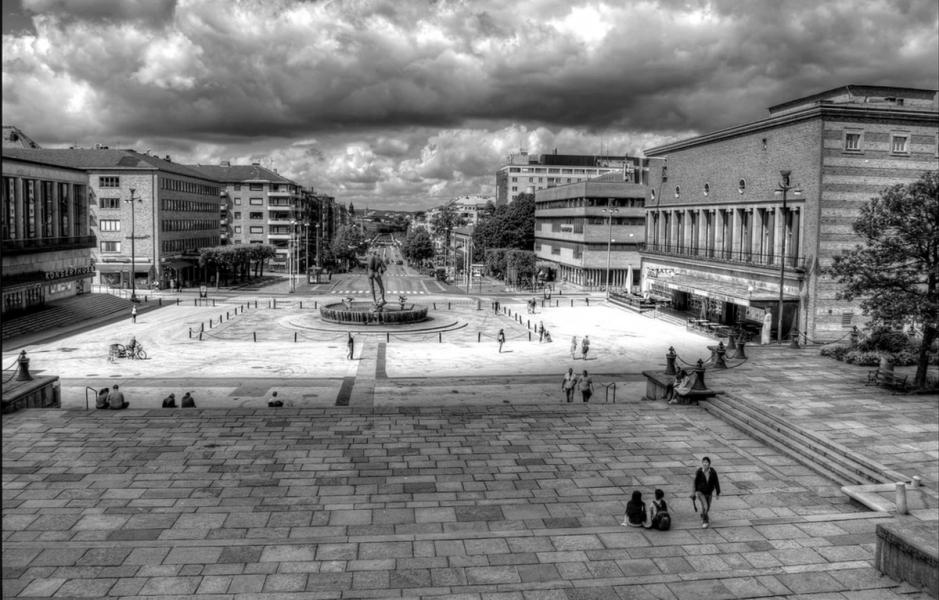
ROTVÄLTA / föreställning is a process-based public art project by visual artist Kerstin Bergendal for Götaplatsen in Gothenburg, Sweden. It responds to a public commission from Göteborg Konst and Stadsmiljöförvaltningen Göteborgs stad.
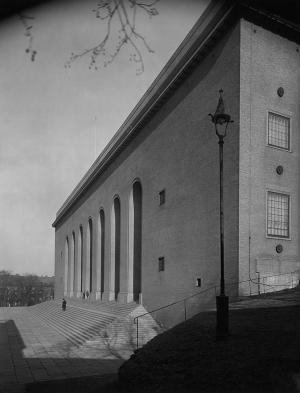
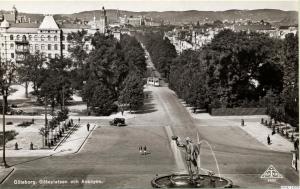
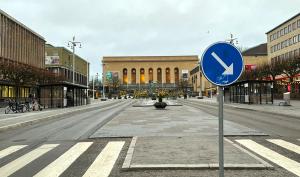
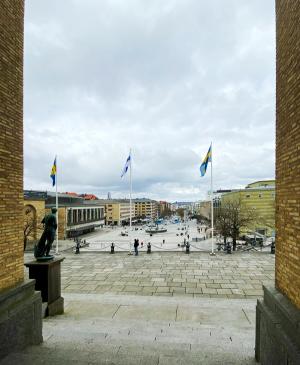
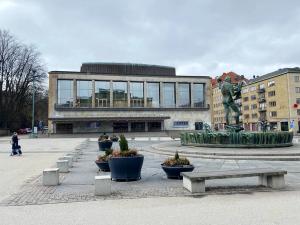
Götaplatsen holds a special position within the city of Gothenburg. The monumental square is generally perceived and used as a fixed emblem of the city itself, referenced by others when Gothenburg is mentioned, and by the city itself in municipal public documents and programs.
The physical site is an image of one idea of a Gothenburg. It can also be understood as a manifestation of a specific group of merchants in the city, who were influential during the late 1890s and who propagated this idea.
The art project consists of a process of inquiry. It is performed in collaboration with others, residents, local institutions, organizations, and researchers. Through this dialogical process, the artist explores and learns about the different conceptual, historical, social, and political ideas that have shaped the square and the city, and registers how these ideas might now be resurfacing in the efforts of preservation and upcoming physical redefinition of Götaplatsen. Ultimately, based on her findings during the process, the artist will elaborate some kind of permanent addition to Götaplatsen. This process of inquiry is performed via several interlinked phases over three years, and it will be concluded with a permanent addition to Götaplatsen in 2028.
Website as Archive
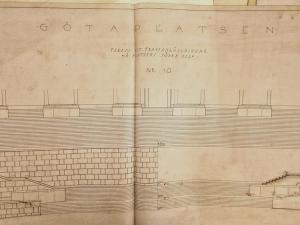
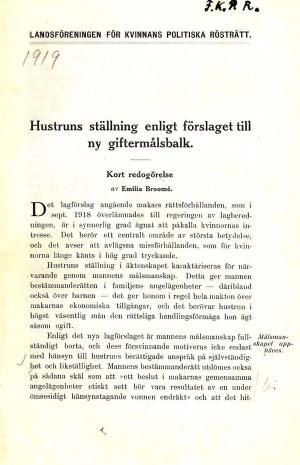
The project was initiated in 2025 with an almost systematic research into public and private archives. Bergendal was particularly looking for ideas and concepts that have contributed to the current form and role of the city: plans, thoughts, and structures, as well as technical and economic history. It is her aim to uncover aspects of the collective intentions behind the visible Götaplatsen—both its emergence in the past and its development over time.
In addition, while walking through the city, she also documented what she saw and the conversations she had along the way. She asked residents to donate memories, attitudes, knowledge, and speculations. She also sought out individuals, professions, libraries, communities, and organizations in Gothenburg that could be invited to offer further insight. This mode of working allowed her to weave the different perspectives into a sum of narratives about Götaplatsen.
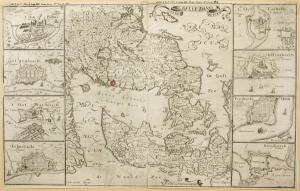
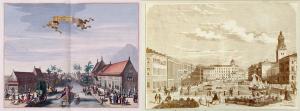
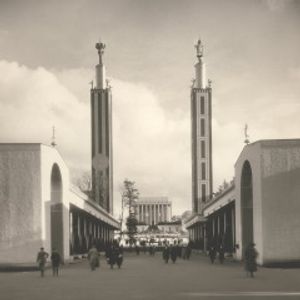
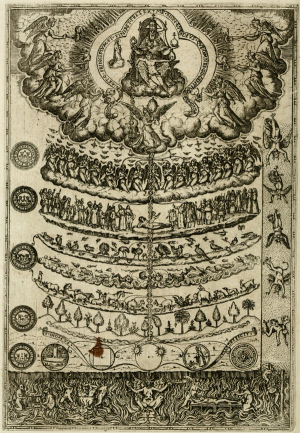
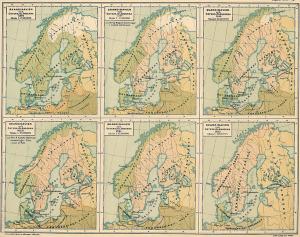
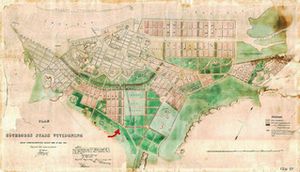
The website you are now visiting functions as a kind of travel log for this process. Here, Kerstin Bergendal introduces her findings along the way. She introduces different forms of imagery of, and perspectives on, the site and the city as fragments of underlying ideas and concepts that have shaped the current state of the city and its public spaces. This eclectic mix includes maps, floor plans, statistics, economic models, and stories about organizations, people, roles, and relationships, counter-images and anti-images, alongside elements of her improvised walks, observations, and conversations with city residents. All of these are borrowed viewpoints, but consequently retold in her own words, photographs, or videos.
Conversations and Encounters
The project has also unfolded through a series of conversations and encounters in different contexts.
- Firstly, a conversation between writer and journalist Marit Kapla and Kerstin Bergendal, initiated and moderated by Maxine Chionh at Gothenburg City Library in February 2025. The conversation explored unexpected intersections between Kapla’s writing and Bergendal’s artistic practice, with Bergendal’s UPHEAVAL / scenario commission and Kapla’s book i Osebol as starting points. Read more
- Secondly, during five early-summer evenings in the Main Foyer of the Gothenburg City Theatre in June 2025, the artist hosted ten staged conversations with invited guests holding formal knowledge of the historical, social, and political ideas that have shaped the city and the site. After each conversation, the audience was invited to participate, expand on, or challenge what had been said. These conversations were filmed and form an important part of the project's documentation. Read more
- Thirdly, throughout the winter and spring of 2026, she travelled between different libraries in Gothenburg, staying a couple of days at each to meet interested residents and widen the conversation. The encounters brought the project into different parts of the city and connected the ongoing research to local contexts. Read more